July 15, 2026
For over a century, traditional dental amalgams—often referred to as "silver fillings"—have been a staple of restorative dentistry due to their durability and affordability. However, because these fillings are composed mainly of elemental mercury, they have increasingly become a subject of concern for health-conscious patients. While they successfully withstand the daily wear and tear of chewing, they also continuously release low levels of mercury vapor, which can accumulate in the body over time. As awareness grows surrounding the potential health and environmental risks of this heavy metal, a significant shift toward mercury free dentistry is occurring in modern dental care.
Mercury in Dental Practices
The Role of Mercury in Traditional Dentistry
Mercury has been used in dental practices for over a century, primarily as a component of amalgam fillings. According to Digital Journal, dental amalgams are mixtures of metals, with approximately 45–55% consisting of elemental mercury, which provides durability to the filling. Despite its strength and longevity, the use of mercury in dentistry has sparked concerns due to its potentially harmful effects on human health and the environment.
The integration of mercury in dental fillings has long been favored for its ability to withstand masticatory forces and resist wear. Still, the persistent release of mercury vapor over time poses health risks. This has led to discussions and research on the necessity and safety of using mercury, ultimately inspiring alternative solutions for dental restorations.
Common Uses of Mercury in Dental Fillings
The application of dental amalgam was once the standard practice for filling cavities due to its cost-effectiveness and mechanical properties. Mercury combines with other metals like silver, copper, and tin to create a durable amalgam that remains pliable for easy application and sets to form a solid mass. It is this affordability and ease of use that have contributed to its widespread adoption in dental procedures.
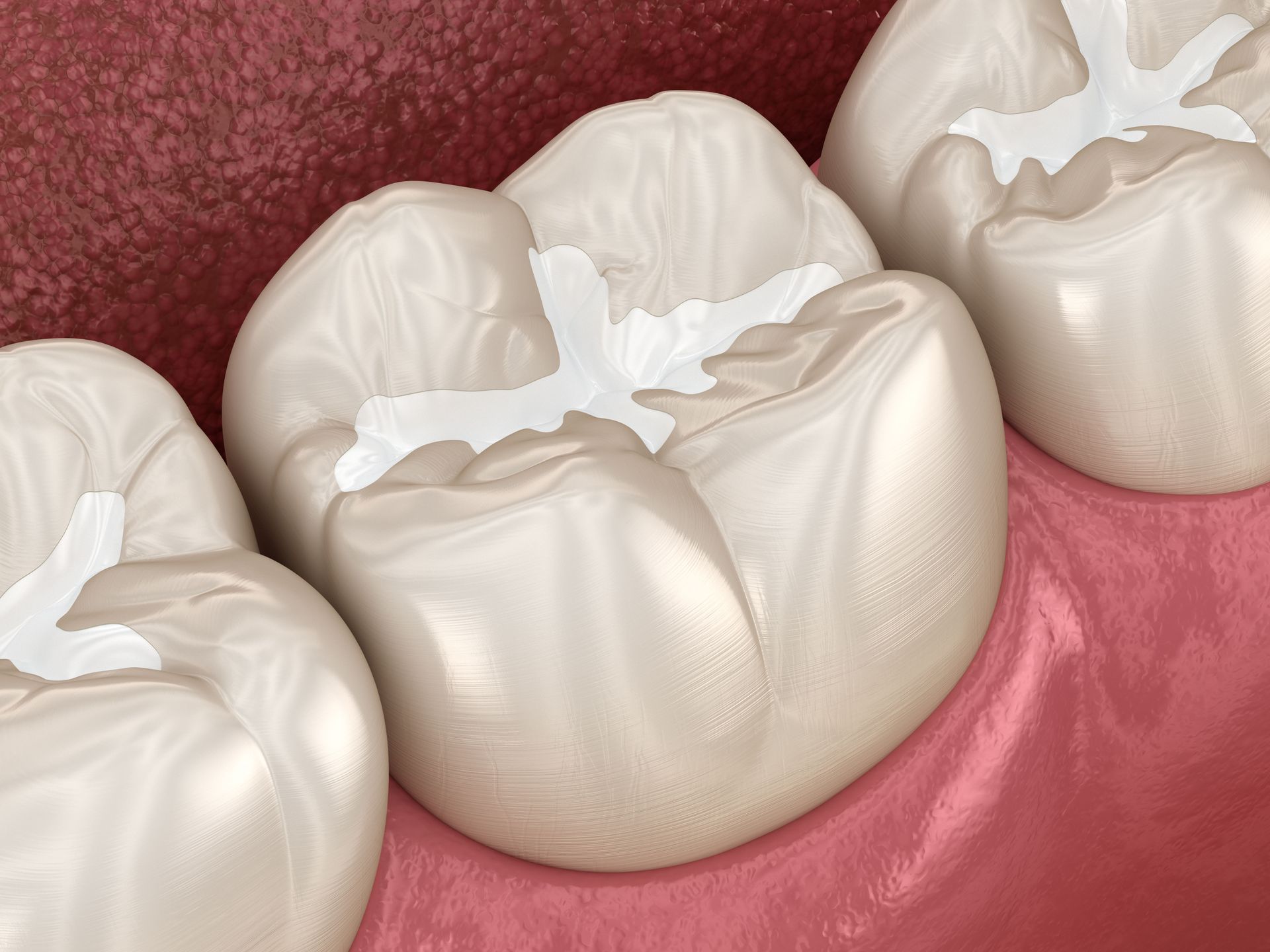
Yet, as awareness of dental health expands, patients demand alternatives to amalgam fillings. Within the past decade, the advent of composite resins and glass ionomer cements has offered comparable properties without relying on mercury. Such alternatives prioritize patient safety and mimic the natural appearance of teeth, thus encouraging their adoption in modern mercury free dentistry.
Health Implications of Mercury Exposure
Mercury exposure from dental amalgams is primarily due to the release of mercury vapor, which can be inhaled or absorbed through oral tissues. This exposure can potentially lead to a range of health issues, particularly affecting the kidneys and the central nervous system. For vulnerable groups, including pregnant women and children, the risks associated with mercury exposure can be considerably higher.
Furthermore, studies indicate that even low levels of mercury vapor released over extended periods can accumulate in the body, posing long-term health risks. As awareness of these potential dangers grows, individuals are increasingly seeking safer alternatives to eliminate these uncertainties. By choosing mercury free dentistry, patients can avoid the compounded effects of mercury exposure and safeguard their health.
Health Advantages of Mercury Free Dentistry
Elimination of Mercury Exposure
The primary health advantage of this approach is the elimination of exposure to mercury vapor that could potentially cause harm. By opting for materials that do not release mercury, patients mitigate the risks associated with chronic exposure, especially for those more vulnerable, such as pregnant women and children. This marks a significant step towards ensuring better health outcomes for patients undergoing dental procedures.
Mercury exposure can have various adverse health effects, including neurological and renal problems. By adopting mercury-free practices, dental professionals contribute to reducing the risk of such health issues. As patients become more conscious of their exposure to toxins, the demand for safer alternatives drives practitioners to adopt innovative solutions that prioritize patient well-being.
Reduced Risk of Allergic Reactions
Another notable benefit of these modern materials is the reduced risk of allergic reactions often associated with metal-based compounds in amalgam fillings. Some patients may experience adverse reactions to metal allergens used in traditional fillings, causing inflammation or discomfort. By switching to non-metallic, mercury-free materials, these risks are significantly mitigated.
Materials like composite resins and glass ionomers are more biocompatible, reducing the possibility of allergic responses and ensuring patient comfort. Dentists can offer customized treatment options tailored to individual sensitivities, further improving patient satisfaction and care outcomes. As more people prioritize health and safety, mercury free dentistry offers an attractive alternative for those with sensitivities.
Enhancement of Overall Oral Health
Mercury free dentistry enhances overall oral health by providing advanced treatment options that align with contemporary dental care standards. These materials adhere better to tooth structures, promoting longevity and reducing the risk of further decay or failure. As a result, patients enjoy more durable restorations that contribute to better long-term oral health.
Moreover, the application of modern, non-metal fillings requires less tooth preparation, preserving more of the tooth's natural structure. This minimally invasive approach supports natural tooth integrity and reduces the risk of future complications, aligning with the principle of conservation in dental care. By maintaining more of the natural tooth, patients experience improved oral function and comfort.
Environmental Impact of Mercury-Free Practices
Reduction in Pollution and Waste
One of the major environmental benefits of mercury-free practices is the significant reduction in mercury pollution. Traditional dental amalgams pose a threat to the atmosphere and water bodies due to mercury release during disposal. Adopting mercury-free materials alleviates these environmental concerns, contributing to cleaner ecosystems and minimizing pollution levels.
A persistent source of pollution is the release of mercury-laden waste from dental practices that improperly dispose of amalgams. By transitioning to alternative materials, dental practices effectively curb this waste, thereby preserving natural resources and enhancing environmental quality. The move towards environmentally friendly practices is critical in promoting global sustainability efforts.
Compliance with Environmental Standards
Dental practices adopting mercury-free materials align with environmental regulations aimed at curbing mercury pollution. Standards enforced by local and international agencies direct dentists towards safer alternatives, minimizing adverse environmental impacts from the dental industry. Practitioners who comply with these guidelines demonstrate their commitment to environmental stewardship and responsibility.
International agreements such as the Minamata Convention on Mercury encourage the reduction of mercury use, prompting dental practitioners worldwide to evaluate their current practices. Compliance with these treaties signifies a pledge to higher environmental and safety standards, reflecting positively on the practitioner's professional image. Patients can thus trust mercury-free dentists to prioritize both their health and the planet's well-being.
Long-Term Sustainability of Dental Practices
Shifting towards mercury free dentistry represents a sustainable approach within the dental industry. As patients demand eco-friendly solutions, dental practices that embrace mercury-free materials pave the way for long-term viability and growth opportunities. These practices gain a competitive edge by appealing to consumers who prioritize environmental responsibility.
The move away from traditional mercury amalgams supports innovations in dental materials and techniques that align with sustainability goals. By minimizing harmful waste products and enhancing material safety, dental practices contribute to a greener future. The shift influences a positive perception among patients, encouraging increased business and recognition for environmental leadership.
Choosing a local mercury-free dental practice is a powerful step toward safeguarding both your personal health and the health of the planet. By replacing outdated amalgam materials with modern composites and glass ionomers, you eliminate the risks of chronic mercury vapor exposure, minimize the likelihood of metal-related allergic reactions, and preserve more of your natural, healthy tooth structure. Ultimately, opting for these biocompatible alternatives allows you to invest in a brighter, healthier smile while championing eco-friendly healthcare solutions right in your own community. Book your appointment today to prioritize your health and experience the benefits of mercury free dentistry.
Book your appointment with Whole Body Dentistry today to prioritize your health and experience the benefits of mercury free dentistry.